What a clean payroll run actually looks like
A run that goes out without a query is not luck. It is a sequence: locked inputs, visible exceptions, one approver, and an audit trail nobody has to reconstruct afterwards.
Arun Menon
Payroll Specialist8 min read
Every payroll team has a month they still talk about. Usually it involves a spreadsheet emailed at midnight, a revised arrear file, and a queue of people asking why their payslip is short. The interesting thing about those months is how rarely the cause is arithmetic. The computation is almost never wrong. The inputs were.
Inputs first, computation last
A run has three classes of input: what someone is entitled to, what actually happened in the period, and what changed mid-period. Salary structure, attendance and leave, and revisions or one-off payments. Get those three settled and the run is mechanical. Leave any of them open and no amount of careful calculation helps, because the thing being calculated is still moving.
- Structure: the components, their formulae, and which are statutory rather than discretionary.
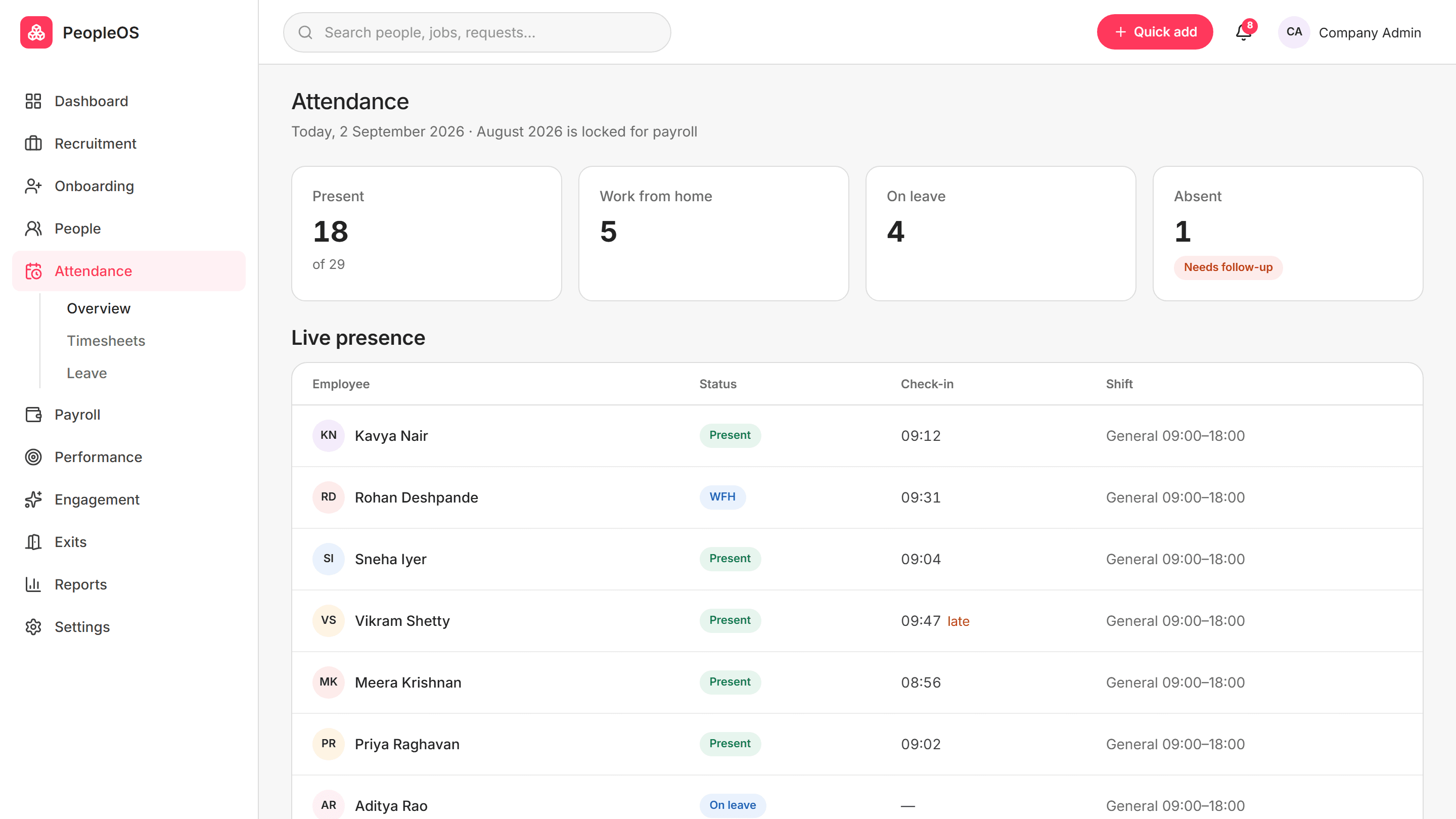
- Period: payable days, loss of pay, and overtime, read from a locked attendance period.
- Deltas: revisions effective mid-period, joiners and leavers, arrears and recoveries carried in from a previous run.
The statutory pieces are not optional extras
Provident fund, employees' state insurance, professional tax and tax deducted at source each have their own thresholds, their own wage definitions and, in the case of professional tax, their own rules per state. They are computed from the same period as everything else, which is exactly why the period has to be settled before any of it runs.
A team crossing its first state line usually discovers this the hard way, when a single professional tax slab quietly makes the run wrong for a subset of people and right for everyone else.
One approver, and an approval that means something
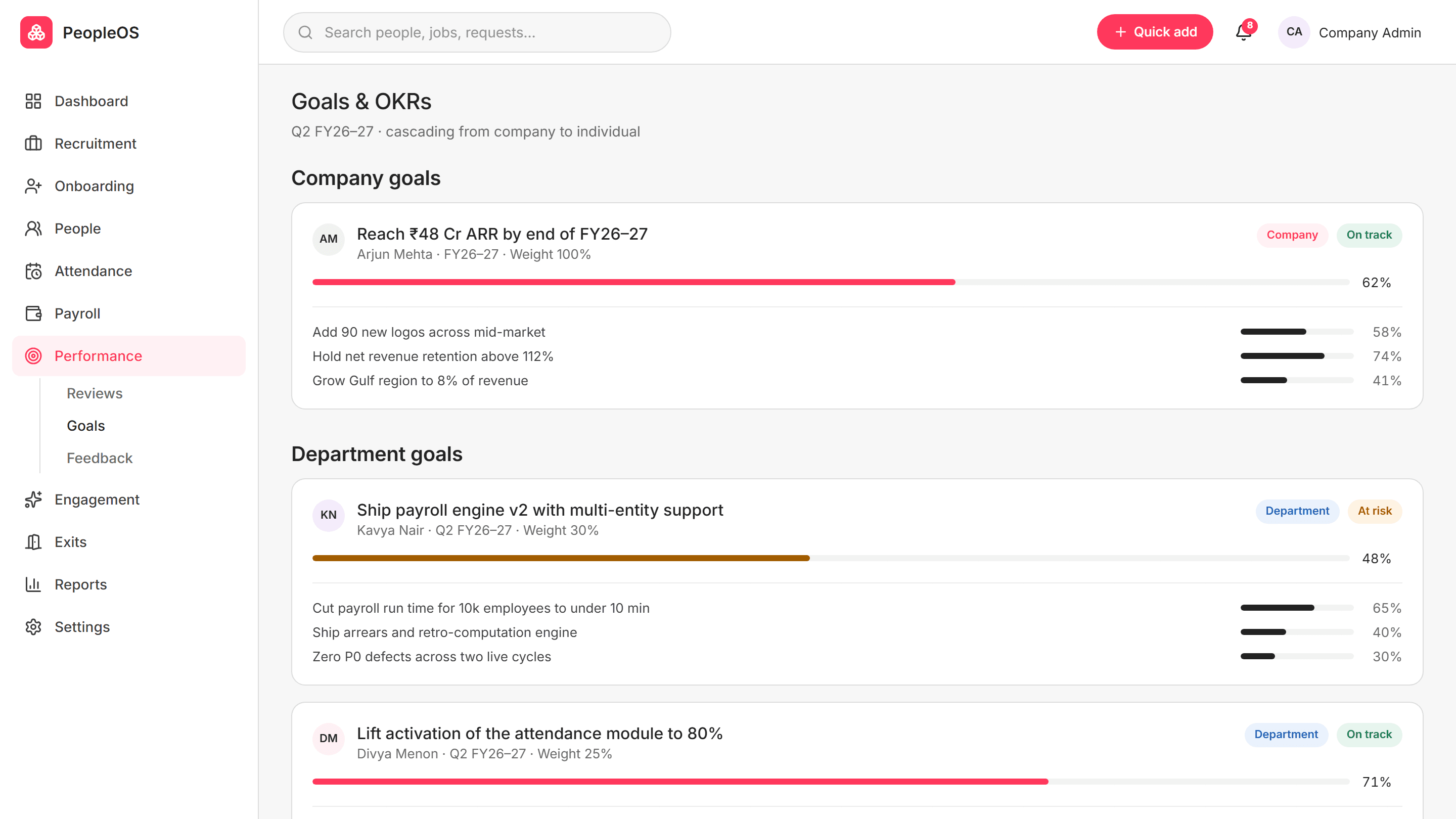
Approval is the point where a person, not the software, takes responsibility for what is about to be paid. That only works if the approver is looking at a complete picture: the total, the exceptions, the deltas against last month, and what changed since they last looked.
The approval step also has to be the last step. If anything can change after it, the signature is decorative. This is the single most common structural bug we see in home-grown payroll processes, and it is why an approved run in Kiko is immutable and corrections become named adjustments in the following period.
The trail you did not know you needed
Nobody sets up payroll thinking about audit. Then a scrutiny notice arrives, or a former employee disputes a full and final settlement, and the question becomes: who approved this, on what inputs, and when. If the answer requires reconstructing a chain of emails, the cost of that month is not the month.
A clean run leaves the trail as a by-product. Inputs locked at a timestamp, exceptions cleared by named people, one approval, and every subsequent change recorded as an adjustment rather than an edit. Nothing about that is glamorous, and it is most of what separates a payroll process that scales from one that survives.
Want this run on your own numbers?
Bring your headcount, the states you pay in and your cycle. We will walk the whole run on the call.
Book a demo